Installing an air conditioning system involves several critical steps that ensure efficient cooling and long-lasting performance. The process begins with a thorough assessment of the space where the unit will be installed. This includes measuring the area to determine the appropriate size and capacity of the air conditioner, as well as evaluating factors such as insulation, window placement, and existing electrical infrastructure. Proper sizing is essential because an undersized unit will struggle to cool effectively, while an oversized one may cycle on and off too frequently, reducing efficiency.
Once the right model is selected based on this assessment, preparation for installation starts by gathering all necessary equipment and materials. This typically includes mounting brackets, refrigerant lines, electrical wiring, drain pipes, and any additional tools required for securing both indoor and outdoor units. Safety precautions are also put in place before beginning physical work to prevent accidents during installation.
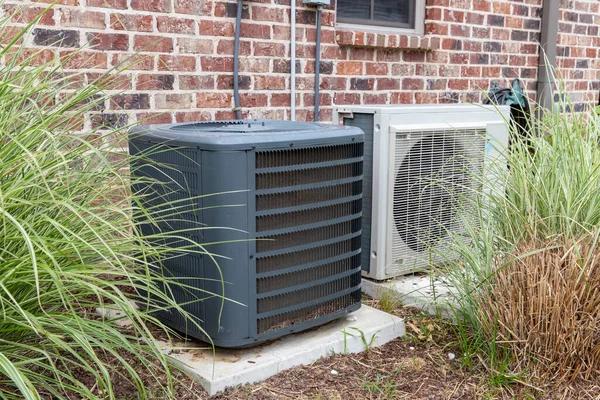
The next step focuses on positioning the outdoor condenser unit. It should be placed on a flat surface away from direct sunlight or obstructions like shrubs or walls that could restrict airflow. Proper clearance around this component allows it to dissipate heat effectively during operation. After securing the condenser in place using mounting pads or visit our site brackets designed for stability, attention shifts indoors.
Inside the building, technicians install the evaporator coil or air handler unit according to manufacturer guidelines. This often involves cutting precise openings through walls or windows if installing a split system or central air conditioner with ductwork connections. During this phase, refrigerant lines are carefully routed between indoor and outdoor components while ensuring they remain insulated to maintain energy efficiency.
Electrical connections follow closely after mechanical parts are secured. Licensed electricians handle wiring tasks to connect power sources safely while integrating control systems such as thermostats or smart home interfaces if applicable. These connections must comply with local codes and standards to guarantee safe operation over time.
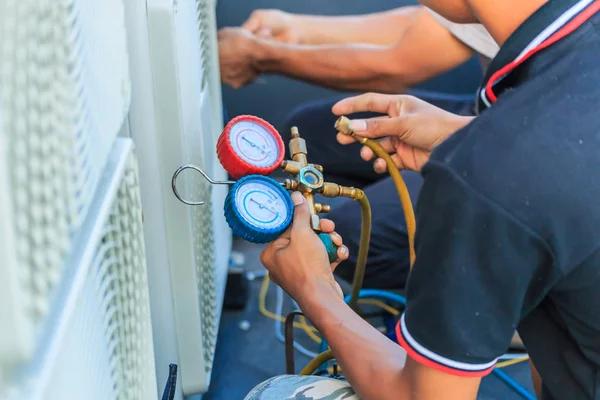
After all hardware is installed and connected properly comes testing and commissioning of the entire system. Technicians check refrigerant levels using gauges to confirm no leaks exist within sealed circuits; they also verify airflow rates inside ducts or vents meet design specifications for optimal performance under different conditions.
Finally, installers provide users with instructions regarding maintenance routines like filter replacement schedules along with troubleshooting tips so homeowners can keep their new air conditioning systems running smoothly year-round without unnecessary service calls.
By following these detailed steps carefully from start to finish during installation projects ensures comfort improvements inside homes while protecting investments made in modern cooling technology through professional workmanship aligned precisely with industry best practices.