Spray foam insulation has become a popular choice for homeowners and builders looking to improve energy efficiency in residential and commercial properties. Unlike traditional insulation materials, spray foam expands upon application, filling gaps and creating an airtight seal that significantly reduces heat transfer. This ability to form a continuous barrier minimizes air leaks, which are a common source of energy loss in buildings. By reducing drafts and preventing conditioned air from escaping, spray foam helps maintain consistent indoor temperatures year-round, leading to lower heating and cooling costs.
One of the key advantages of spray foam insulation is its high R-value per inch compared to other types of insulation such as fiberglass or cellulose. The R-value measures thermal resistance; higher values indicate better insulating effectiveness. Because insulate your home with spray foam provides superior thermal resistance with less material thickness, it allows for more efficient use of space within walls, attics, or crawl spaces without sacrificing performance. Additionally, the expansion feature enables it to conform tightly around irregular surfaces like pipes or wiring where conventional batts may leave gaps.
Beyond temperature control benefits, spray foam also contributes to improved indoor air quality by sealing out pollutants and allergens that can infiltrate through cracks and crevices in building envelopes. This creates a healthier living environment while reducing strain on HVAC systems caused by dust accumulation or moisture-related issues such as mold growth. Closed-cell varieties of spray foam also add structural strength due to their density once cured.
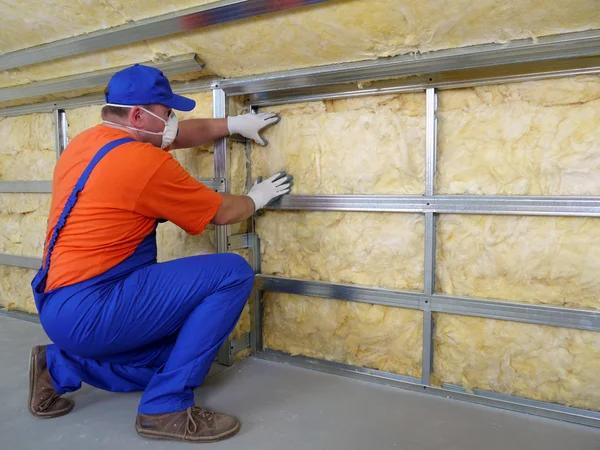
The installation process typically involves professional contractors who apply two liquid components using specialized equipment directly onto surfaces requiring insulation. Once mixed at the nozzle during spraying, these chemicals react rapidly expanding into solid foam within seconds before hardening into place permanently adhering to substrates like wood or metal studs. Proper installation is crucial because uneven application can lead to voids diminishing overall effectiveness.
While initial costs for spray foam tend to be higher than traditional options, many users find long-term savings on utility bills justify the investment over time through reduced energy consumption alone. Incentives such as tax credits or rebates offered by various government programs may further offset upfront expenses depending on location.
In summary, incorporating spray foam insulation into building projects offers an effective strategy for enhancing energy efficiency by providing robust thermal protection combined with air sealing capabilities not achievable with conventional materials alone. Its versatility across different construction scenarios makes it suitable for new builds as well as retrofits aiming at improving comfort levels while lowering operational costs sustainably over years of occupancy.