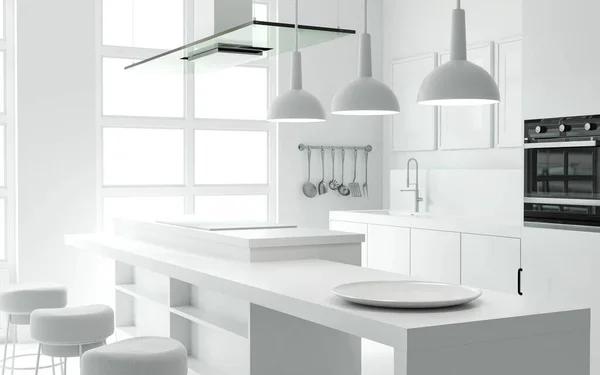
Planning a kitchen remodel requires careful consideration and detailed preparation to achieve the best results. The process begins with a clear understanding of your goals for the space, whether it’s improving functionality, updating the style, or increasing the home’s value. Defining your priorities early helps guide decisions throughout the project, from layout adjustments to material choices. It’s essential to assess how you use your kitchen daily and identify pain points, such as insufficient storage or poor lighting, to address these effectively in the remodel.
Budgeting is a critical step that should be handled with realism and flexibility. Establishing a budget early on ensures that the project stays financially manageable and helps avoid costly surprises. Consider all potential expenses, including materials, labor, permits, and unexpected contingencies. It’s wise to allocate a portion of your budget for unforeseen issues that often arise during remodeling. Researching costs for appliances, cabinetry, countertops, and fixtures gives you a better idea of what fits within your financial plan. Getting multiple quotes from contractors can also provide a clearer picture of labor costs and timelines.
Designing the kitchen layout is one of the most impactful aspects of the remodel. Efficient traffic flow and work zones enhance usability and comfort. The see our services classic kitchen work triangle, which connects the sink, stove, and refrigerator, remains a helpful guideline for optimizing movement. Modern kitchens may also incorporate islands or peninsulas to add counter space and seating. Consider how the chosen layout will accommodate your cooking habits and entertaining needs. It’s important to balance aesthetics with practicality, ensuring that the space feels inviting and functions well.
Selecting high-quality materials and finishes contributes to both the durability and appearance of your kitchen. When choosing cabinets, countertops, flooring, and backsplashes, focus on durability, maintenance requirements, and style compatibility. For example, quartz countertops offer long-lasting beauty with minimal upkeep, while hardwood floors bring warmth and elegance but may require more care. Lighting is another vital element that should not be overlooked. Incorporating a combination of ambient, task, and accent lighting improves visibility and ambiance.
Hiring experienced professionals, such as designers and contractors, can streamline the remodeling process and help avoid costly mistakes. Requesting references and reviewing past work provides insight into their reliability and craftsmanship. Clear communication with your team throughout the project ensures that your vision is understood and executed properly. Finally, patience and flexibility are essential. Remodeling often involves unexpected challenges, but careful planning and a thoughtful approach will result in a kitchen that meets your needs and enhances your home’s value.