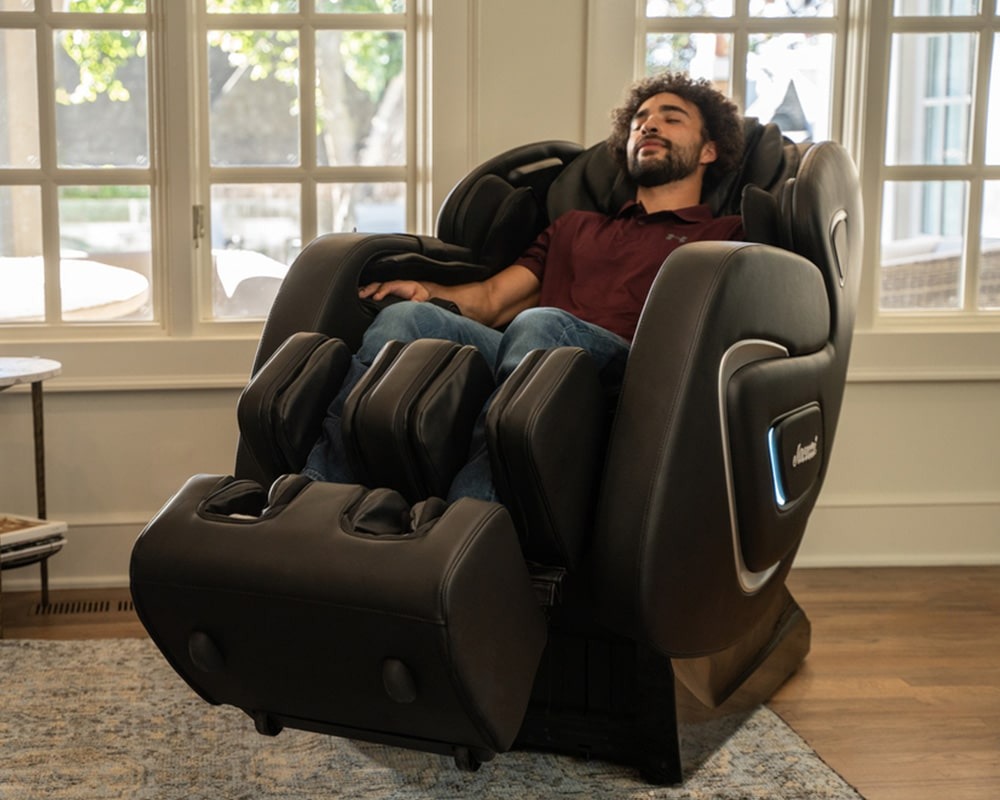
In today’s fast-paced world, stress has become an almost inevitable part of daily life, especially after a long day at work. Many individuals seek effective ways to unwind and alleviate the tension accumulated throughout the day. One increasingly popular solution is the use of massage chairs, which promise relaxation and relief from stress without leaving the comfort of home. But can massage chairs truly help with stress after work? The answer lies in understanding how these devices interact with our body and mind.
Massage chairs are designed to mimic the techniques used by professional masseuses, offering various types of massages such as kneading, rolling, tapping, and shiatsu. These mechanical movements target key muscle groups that often bear the brunt of physical strain caused by prolonged sitting or repetitive tasks common in many workplaces. By stimulating muscles and improving circulation, massage chairs help reduce muscle stiffness and soreness that accumulate during stressful days.
One significant benefit of using a massage chair reviews is its ability to promote relaxation through physical touch stimulation. Physical touch triggers the release of endorphins-natural painkillers produced by the brain-and reduces cortisol levels, which is commonly known as the stress hormone. Lower cortisol levels contribute to decreased feelings of anxiety and tension while enhancing overall mood stability.
Moreover, regular sessions in a massage chair can improve sleep quality-a crucial factor when managing stress effectively. Stress often disrupts sleep patterns leading to fatigue and reduced cognitive function; however, relaxing massages before bedtime can calm both body and mind facilitating deeper rest.
Another advantage lies in convenience: unlike scheduling appointments or traveling to spas for massages-which might add more pressure due to time constraints-a massage chair offers immediate access anytime you need it at home or even at your workplace if space allows. This accessibility encourages consistent use making it easier for users to incorporate relaxation into their daily routine.
While massage chairs offer many benefits related to stress reduction, they should not be viewed as a complete substitute for other healthy lifestyle practices like exercise or mindfulness meditation but rather as complementary tools aiding overall well-being.
It’s also important for potential users to select high-quality models equipped with customizable settings tailored toward individual needs since preferences vary widely regarding intensity or type of massage preferred.
In conclusion, incorporating a massage chair into one’s post-work routine can significantly contribute towards alleviating physical discomfort associated with stress while promoting mental relaxation through enhanced circulation and hormonal balance improvements-all within an easily accessible format encouraging regular usage essential for sustained benefits.