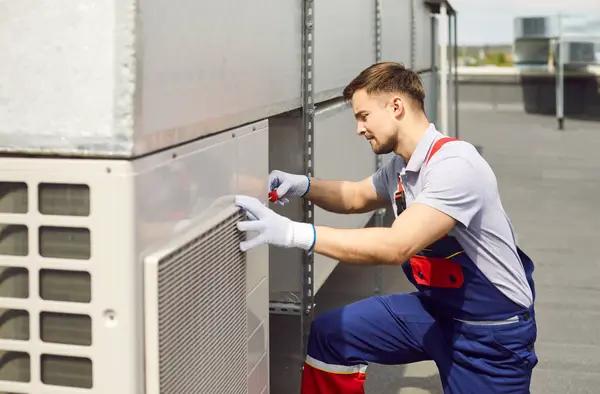
Understanding the basics of furnace repair can empower homeowners to address simple issues without immediate professional help. Furnaces are essential for maintaining warmth during cold months, and knowing how they work is the first step in troubleshooting common problems. A furnace typically consists of several key components: a thermostat, blower motor, burners, heat exchanger, and an exhaust vent. The thermostat signals when heat is needed, prompting the burner to ignite and warm air to circulate through your home via the blower motor.
When a furnace stops working or behaves unusually, identifying the problem begins with checking the thermostat settings. Ensure it is set to “heat” mode and that the temperature is higher than the current room temperature. Sometimes, simply adjusting these settings resolves minor issues. If this doesn’t work, inspect your furnace’s power supply by verifying that it’s plugged in and that circuit breakers haven’t tripped or fuses blown.
A common cause of furnace malfunction involves dirty or clogged filters. Filters trap dust and debris but need regular replacement or cleaning to maintain airflow efficiency. Restricted airflow forces your system to work harder and may trigger safety switches that prevent operation until conditions improve. Replacing filters every one to three months depending on hvac contractor sandy usage supports optimal performance.
Another frequent issue relates to pilot lights or electronic igniters failing to start properly. Older furnaces use a pilot light-a small flame that ignites gas burners-while newer models rely on electronic ignition systems for safer operation. If you notice no flame where there should be one, consult your user manual on safely relighting a pilot light or resetting an electronic ignition system.
Strange noises from your furnace often indicate mechanical problems such as loose belts or worn-out bearings within the blower motor assembly. These parts can degrade over time due to normal wear and tear but require professional attention if unusual sounds persist after basic checks.
Additionally, furnaces may shut off unexpectedly because of overheating caused by blocked vents or faulty limit switches designed as safety measures against excessive temperatures inside the unit. Ensuring vents remain unobstructed both inside and outside prevents dangerous buildup of heat or carbon monoxide gases.
Regular maintenance helps avoid many repair needs; however, certain repairs demand expertise beyond beginner skills due to risks involving gas connections and electrical components. Always prioritize safety by turning off power before inspecting internal parts and calling certified technicians when uncertain about any step in diagnosing or fixing your furnace.
By grasping these fundamental concepts about how furnaces operate and recognizing signs of trouble early on, homeowners can take proactive steps toward maintaining their heating systems effectively while knowing when professional services are necessary for safe resolution of more complex issues.
One Stop Heating and Air Conditioning
611 W 9560 S Suite E, Sandy, UT 84070
801-797-2074