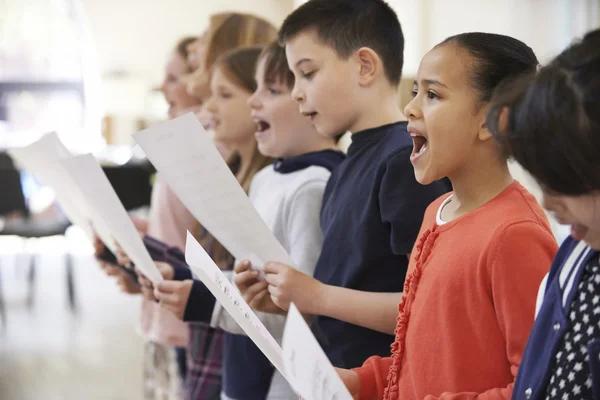
Embarking on the journey of learning to sing is a rewarding endeavor that requires dedication, practice, and the right guidance. For beginners stepping into the world of voice lessons, understanding how to progress from novice to an intermediate singer involves mastering foundational techniques and gradually building upon them.
The initial phase for any beginner in singing focuses heavily on understanding and developing basic vocal techniques. This includes proper breathing methods, which are essential for controlling pitch and volume. Diaphragmatic breathing is often emphasized as it allows singers to support their voice effectively. Beginners are encouraged to practice exercises that strengthen this technique, such as deep belly breaths and sustained note-holding.
Another critical aspect of early voice training is learning about vocal health. Beginners must be educated on how to take care of their voices by staying hydrated, avoiding strain through excessive shouting or whispering, and maintaining a healthy lifestyle that supports vocal endurance.
As beginners become more comfortable with these basics, they can start focusing on pitch accuracy through ear training exercises. These activities help in recognizing different pitches and improve overall musicality. Simple scales and interval recognition exercises are excellent starting points for this skill development.
Developing a good sense of rhythm is equally click here important at this stage. Engaging with simple rhythmic patterns helps beginners understand timing within music pieces, allowing them to stay in sync during performances or rehearsals.
Once these foundational skills have been established, transitioning towards becoming an intermediate singer involves refining techniques learned previously while introducing more complex elements into practice sessions. Vocal range expansion becomes a focus area; singers work on extending both their lower and higher registers using specific exercises designed for range enhancement like lip trills or sirens.
Intermediate singers also begin exploring various vocal styles which require versatility in tone production—this could include genres such as classical opera nuances versus contemporary pop styles where different dynamics come into play extensively.
Moreover, interpretation becomes key at the intermediate level; singers learn not just how notes should be sung but why they should be expressed emotionally within each piece performed—making storytelling through song an integral part of progression beyond technical prowess alone.
Regular feedback from instructors remains crucial throughout this transitionary period—constructive criticism aids personal growth by highlighting areas needing improvement while reinforcing strengths already developed thus far along one’s musical journey toward proficiency within singing disciplines explored over time spent dedicatedly honing craft under professional tutelage provided during structured lesson plans catered specifically towards achieving desired results progressively attained via consistent effort applied diligently across all facets involved therein ultimately leading aspirants closer towards realizing full potential inherent inside every aspiring vocalist committed earnestly pursuing passion wholeheartedly embraced fully without reservation whatsoever!