Choosing the right materials for residential roofing is essential to ensure long-lasting protection, energy efficiency, and overall performance. Durable roofing materials not only safeguard homes from harsh weather conditions but also reduce maintenance costs and improve property value. Among the most effective options are metal, asphalt shingles, clay tiles, slate, and synthetic composites. Each material offers unique advantages that contribute to enhanced roof longevity and reliability.
Metal roofing has gained popularity due to its exceptional durability and resistance to extreme weather elements like heavy rain, snow, hail, and high winds. Made from steel or aluminum alloys with protective coatings, metal roofs can last up to 50 years or more with minimal upkeep. Their reflective properties help in reducing heat absorption during summer months, lowering cooling expenses significantly. Additionally, metal roofs are fire-resistant and lightweight compared to traditional tile or slate options.
Residential Roofing
Asphalt shingles remain a common choice because of their affordability combined with reasonable durability. Modern architectural shingles offer improved wind resistance and longer lifespans than older three-tab varieties. They typically last between 20 to 30 years depending on quality and installation standards. Asphalt shingles provide versatility in design colors while maintaining water-shedding capabilities that prevent leaks when properly installed.
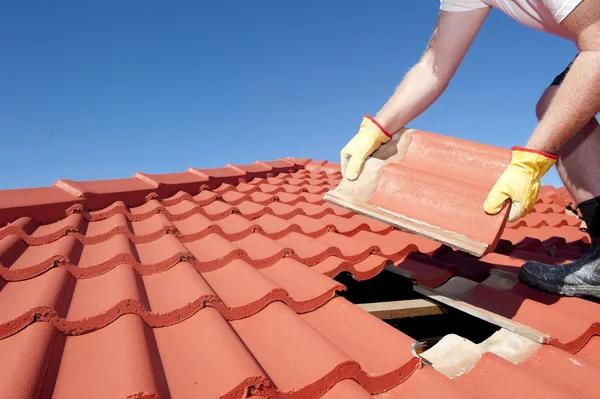
Clay tiles have been used for centuries due to their natural strength and aesthetic appeal. These tiles resist fire damage effectively while offering excellent thermal insulation properties that keep interiors cooler in warm climates. Clay tiles can endure decades without significant deterioration if maintained correctly; however, they require sturdy roof framing because of their considerable weight.
Slate is another premium roofing contractor tips material known for its remarkable hardness and longevity often exceeding a century when installed by skilled professionals. Slate’s dense structure makes it highly resistant against moisture infiltration as well as fungal growth or insect damage commonly affecting other materials over time. The elegant appearance of slate also adds timeless charm which many homeowners appreciate despite higher upfront investment costs.
Synthetic composite materials combine recycled plastics with rubber or polymers engineered specifically for roofing applications aiming at replicating traditional looks such as wood shakes or slate without associated drawbacks like brittleness or heavy massiveness seen in natural counterparts. These composites boast impressive impact resistance alongside UV stability preventing color fading under prolonged sun exposure while offering warranties comparable to natural products.
In conclusion, selecting durable materials tailored to specific environmental conditions enhances residential roofing performance substantially by extending service life and minimizing repairs needed throughout ownership periods. Homeowners should consider factors including climate resilience requirements along with budget constraints before deciding on an appropriate material type ensuring optimal protection coupled with aesthetic satisfaction over time.
Bealing Roofing & Exteriors, Inc.
440 Black Rock Rd, Hanover, Pennsylvania 17331
717-634-3355