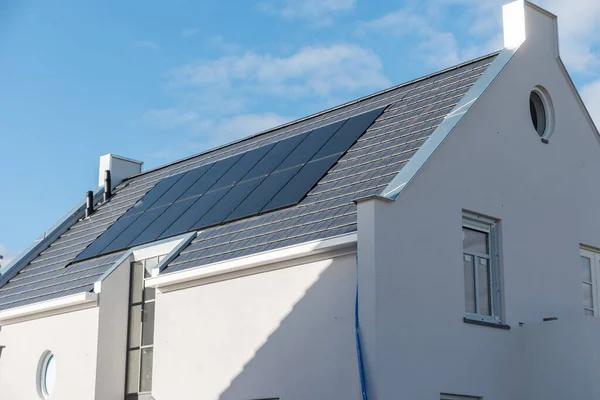
Investing in solar panels is an excellent way for first-time users to reduce energy costs and contribute to environmental sustainability. Before purchasing, it is important to understand the basics of solar technology and assess your specific needs. Solar panels convert sunlight into electricity, which can power your home or business. The efficiency of these panels depends on factors such as location, roof orientation, shading, and the quality of the equipment itself.
Begin by evaluating your energy consumption through recent utility bills to determine how much power you use monthly. This information helps estimate the size of the solar system required to meet your needs. A larger system produces more electricity but comes with higher upfront costs. It is essential to balance system size with budget constraints while considering future changes in energy usage.
The type of solar panel you choose impacts performance and price. Monocrystalline panels are known for high efficiency and durability but tend to be more expensive. Polycrystalline panels offer a more affordable option with slightly lower efficiency rates. Thin-film panels are less common for residential use due to lower efficiency but may suit certain applications where flexibility or weight is a concern.
Quality matters when selecting components beyond just the panels see additional resources themselves; inverters play a critical role by converting direct current (DC) generated by the panels into alternating current (AC) used in homes. String inverters are standard for most installations, while microinverters provide better performance under partial shading conditions at a higher cost.
Installation should be handled by certified professionals who understand local regulations and can optimize placement for maximum sun exposure throughout the day. Proper installation ensures safety, maximizes energy production, and maintains warranty validity.
Financial considerations extend beyond initial purchase price; many regions offer incentives such as tax credits, rebates, or net metering programs that allow homeowners to sell excess electricity back to the grid. Research available options within your area before making a final decision.
Maintenance requirements for solar systems are generally low but include periodic cleaning and inspections to ensure optimal operation over time.
In summary, first-time buyers should carefully analyze their energy usage, select appropriate panel types based on budget and efficiency preferences, hire qualified installers familiar with local codes, and explore financial incentives available locally. By taking these steps methodically, new users can make informed decisions that lead to long-term savings while supporting clean energy goals effectively through their investment in solar technology.