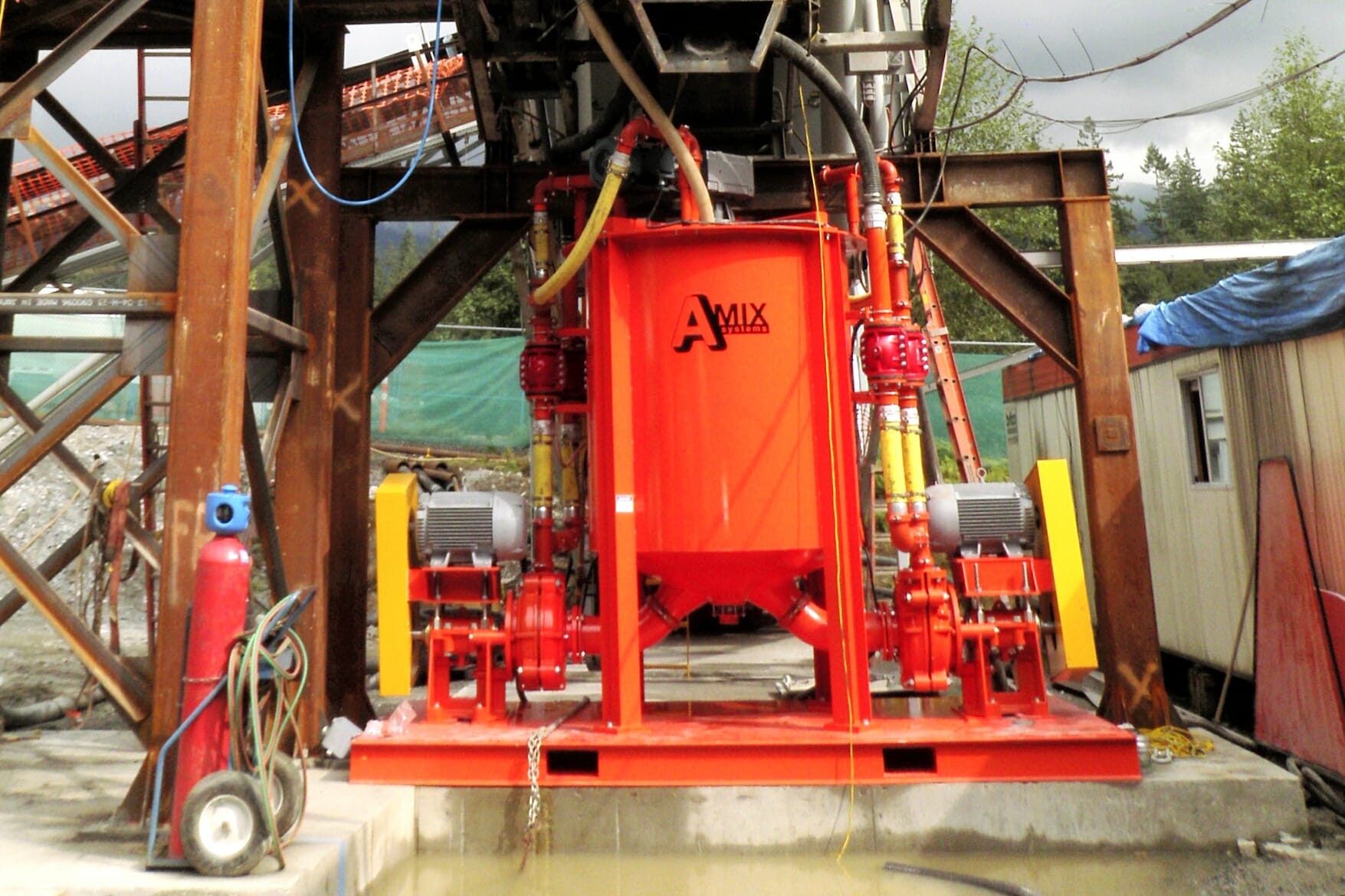
Grouting is a common term used in construction that refers to the process of filling gaps or spaces with a fluid material that hardens over time. This technique is essential for ensuring stability, strength, and durability in various building projects. In simple words, grouting involves injecting or placing a mixture-usually made of cement, water, sand, and sometimes additives-into cracks, joints, or cavities where it solidifies and binds different components together.
One of the primary purposes of grouting is to fill voids that might otherwise weaken the structure. For example, when constructing tiled surfaces such as floors or walls, grout is applied between tiles to seal the spaces. This not only enhances the appearance by providing a neat finish but also prevents water from seeping underneath tiles which could cause damage over time. Similarly, in masonry work where bricks or stones are laid together with mortar, grout can be used to fill any remaining gaps ensuring no air pockets remain and improving overall strength.
In addition to its role in finishing surfaces like tiles and stonework, grouting has structural functions as well. When engineers build foundations or repair concrete structures such as bridges and dams, they often use specialized grout mixtures injected into cracks or beneath slabs to restore integrity. This process helps distribute loads evenly across surfaces while preventing further deterioration caused by moisture penetration or shifting soil.
There are different types of grout depending on the application requirements: cementitious grout (made mainly from cement), epoxy grout (a two-part resin system known for its chemical resistance), and polymeric grout (which includes polymers for flexibility). Cementitious grouts are commonly used because they are cost-effective and easy to apply; epoxy grouts offer superior durability especially in industrial settings; polymeric grouts provide additional elasticity useful where movement occurs.
The method of applying grout varies based on context too. For tiling jobs at home improvement projects, it’s typically spread using a rubber float then wiped clean after setting begins. In heavy-duty construction scenarios involving structural repairs or foundation stabilization however, contractors use pumps to inject fluid grout under pressure into narrow openings unreachable by hand tools.
Overall understanding what grouting means helps appreciate how critical this seemingly small step is within larger construction processes. Without proper grouting techniques employed correctly during building stages-from laying floor tiles neatly spaced apart all way up through reinforcing massive infrastructure-the safety and longevity of many structures would be compromised significantly.
meaning of grouting in construction simply means filling empty spaces with a material that hardens over time creating strong bonds between parts while protecting against environmental damage like moisture intrusion. Whether you notice it daily walking on tiled floors at home or see its effects supporting towering buildings around cities-it plays an indispensable role behind the scenes making modern living possible through enhanced stability and resilience of constructed environments.